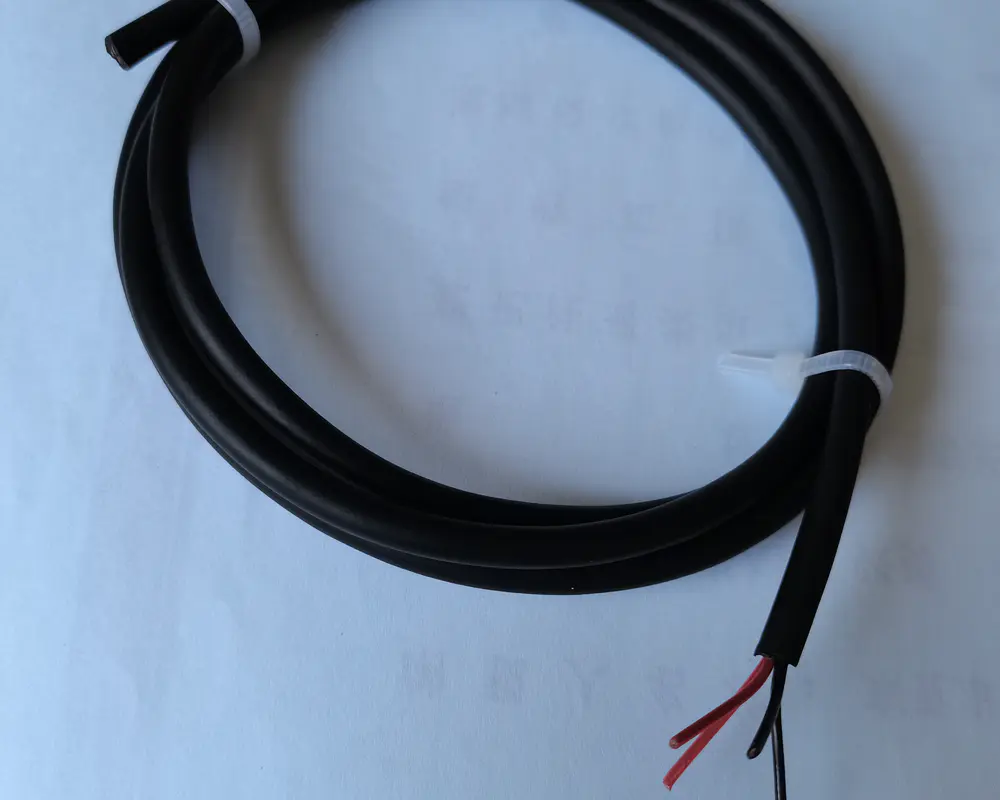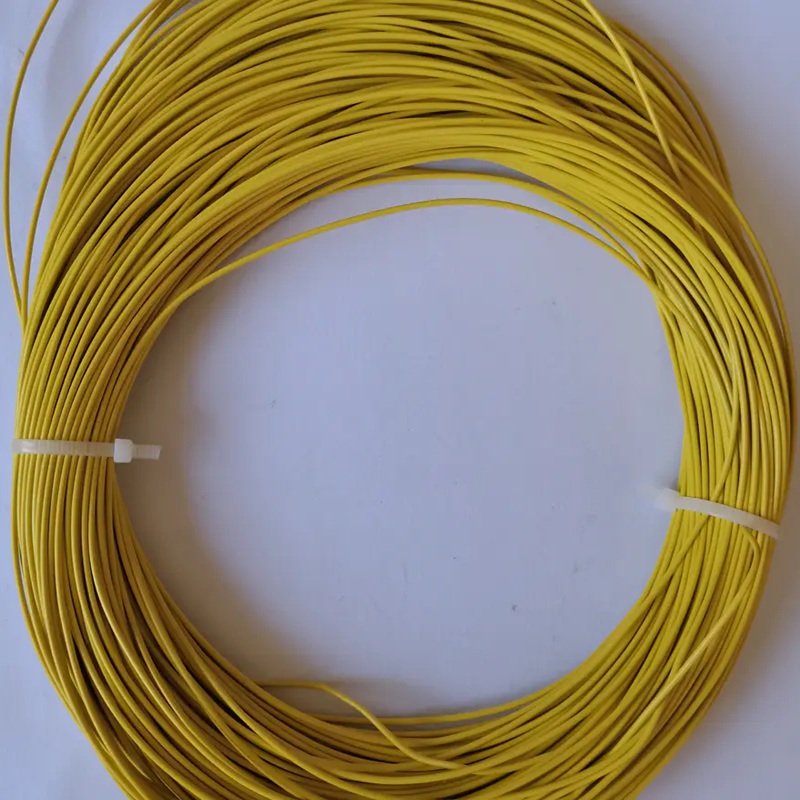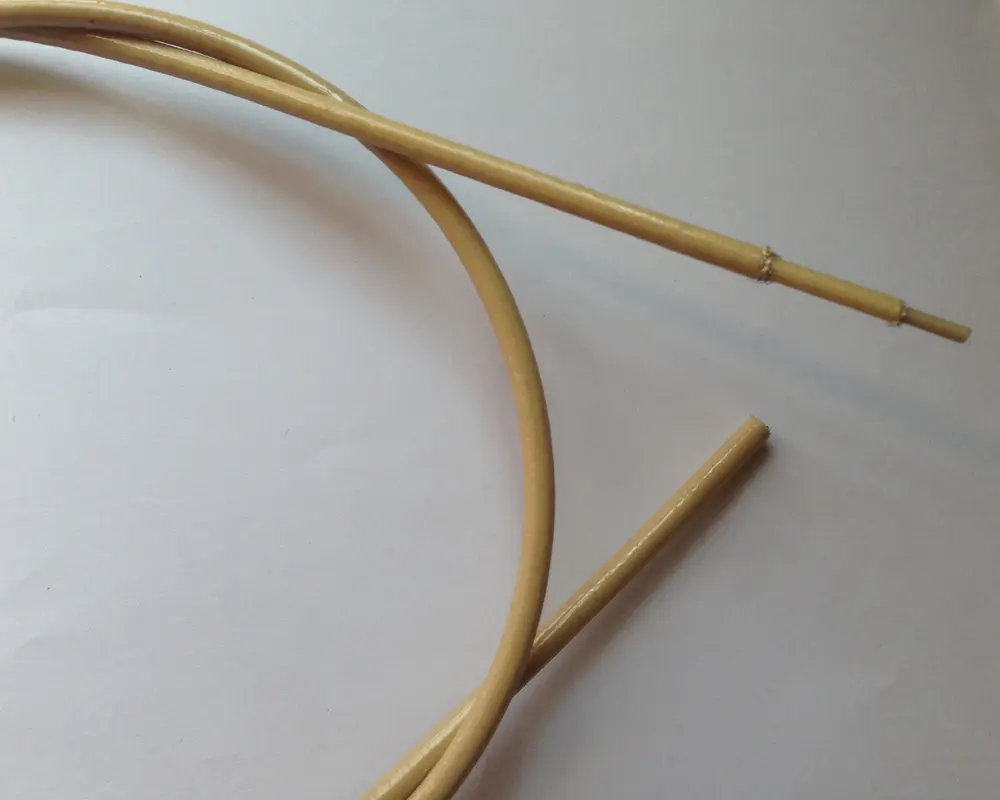
The Anti Capillary Wire Cable significantly enhances industrial safety by preventing fluids from traveling along the wire, which can cause short circuits or equipment malfunctions. In environments such as factories, oil rigs, and chemical plants, the cable ensures that any fluid exposure does not lead to potential electrical hazards. With its fluid-resistant properties, this cable protects the integrity of your systems, reduces the risk of downtime, and improves the overall safety of your operations.


The Anti-Capillary Wire Cable significantly enhances industrial safety by preventing fluids from traveling along the wire, which can cause short circuits or equipment malfunctions. In environments such as factories, oil rigs, and chemical plants, the cable ensures that any fluid exposure does not lead to potential electrical hazards.
Designed to withstand high temperatures, it is perfect for use in environments with fluctuating or extreme heat. The materials used will not degrade or allow fluid ingress even when exposed to high thermal conditions.
The Anti-Capillary Wire Cable is designed with a specialized insulation structure that prevents oil and liquid from migrating along the conductor through capillary action. This construction helps maintain electrical performance and prevents failures caused by fluid penetration.
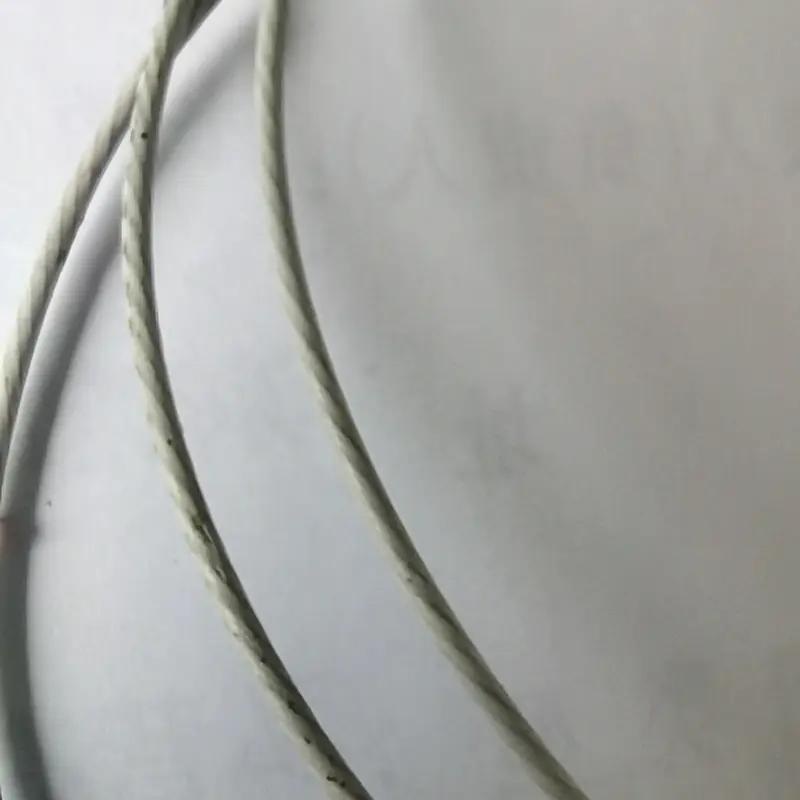
| Layer | Material | Function |
|---|---|---|
| Conductor | Stranded Copper | Provides stable electrical conductivity |
| Insulation Layer | FKM / FEP / ETFE | Provides heat and chemical resistance |
| Protective Barrier | Anti-capillary structure | Blocks fluid migration |
| Outer Layer | Customized materials | Improves mechanical protection |
Without Anti-Capillary ProtectionOil → conductor gap → equipment Common Failures:
|
With Anti-Capillary ProtectionOil || blocked by insulation structure Engineering Advantages:
|
| Rated temperature: | -50℃ ~ 200℃ |
| Rated voltage: | 600V DC |
| Conductor: | 0.35mm2 to 6.0mm2 fully annealed stranded copper Per ASTM B-33 |
| Operating temperature range: | -60 °C to +200°C for Fluoroelastomer/ VITON/XLFE/FKM |
| -60 °C to +200°C for FEP | |
| -60 °C to +200°C for XLETFE | |
| -60 °C to +175°C for ETFE | |
| -40 °C to +150°C for PVDF | |
| -40 °C to +150°C for XLPE | |
| -40 °C to +125°C for XLPE | |
| -40 °C to +105°C for PVC |
We provide customized anti-capillary wire cable solutions tailored to your specific application requirements, ensuring optimal performance for your machinery.
| Customization Item | Options |
|---|---|
| Conductor Size | 0.35mm² - 6.0mm² |
| Insulation Material | FKM / FEP / ETFE / XLPE / PVDF |
| Voltage Rating | Customized according to requirement |
| Color | Black, Red, Blue, or Custom colors |
| Cable Length | Customized packaging / cut to length |
With advanced cable extrusion equipment and strict quality control processes, we provide customized anti-capillary wire cable solutions for industrial OEM customers. Our capabilities include:
| Test Item | Purpose |
|---|---|
| Oil Resistance Test | Verify insulation durability under continuous fluid exposure |
| High Temperature Test | Check thermal stability and prevent melting/degradation |
| Voltage Withstand Test | Ensure electrical safety and prevent breakdown |
| Flexibility Test | Evaluate mechanical performance in dynamic applications |
| Fluid Migration Test | Verify the effectiveness of the anti-capillary structure |
A: Standard oil-resistant cables protect the jacket from chemical degradation, but they cannot stop fluids from entering the exposed ends. Anti-capillary cables feature a specialized inner structure that physically blocks oil and fluids from traveling inside the cable along the copper strands.
A: Depending on the customized insulation material (such as FEP or FKM), our cables can operate reliably in extreme environments ranging from -60°C up to +200°C.
A: Yes, we act as a direct manufacturer supporting full OEM/ODM customization, including conductor sizes, jacket materials, colors, and specific printing requirements.
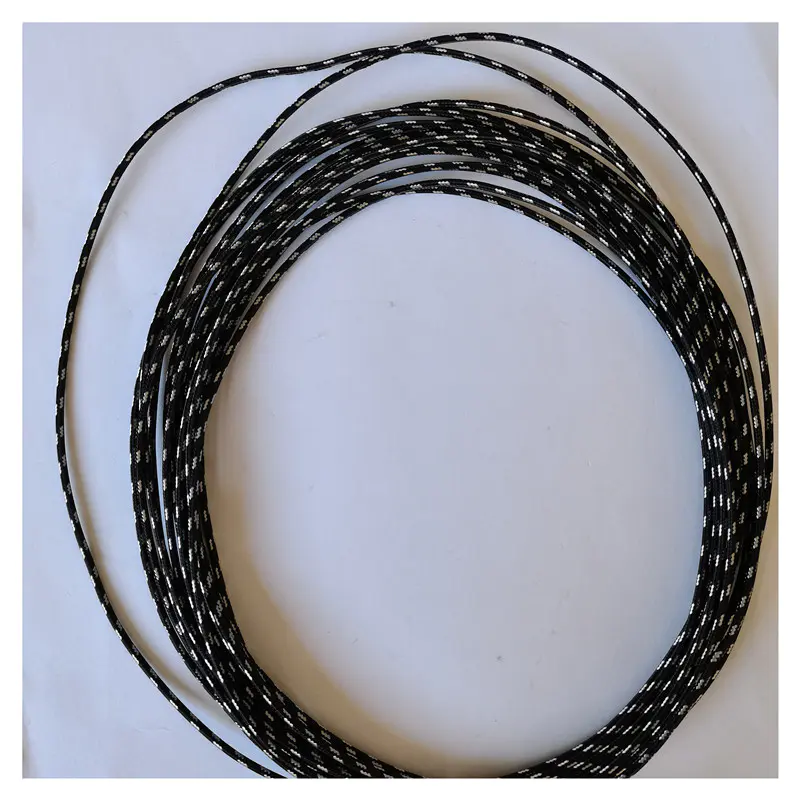
Highly Fluid Resistant Wire is a very high performance fluid blocking wire built to handle the high temperature fluid environments in engines and transmissions. It is a fluoroelastomer with impressive properties including great flexibility. it is extremely fluid resistant even at temperatures up to 230°C. It is safer in overload conditions, because it will not melt. it has a custom-engineered silicone blocked conductor to prevent moisture and other fluids to wick through the wiring system.
Details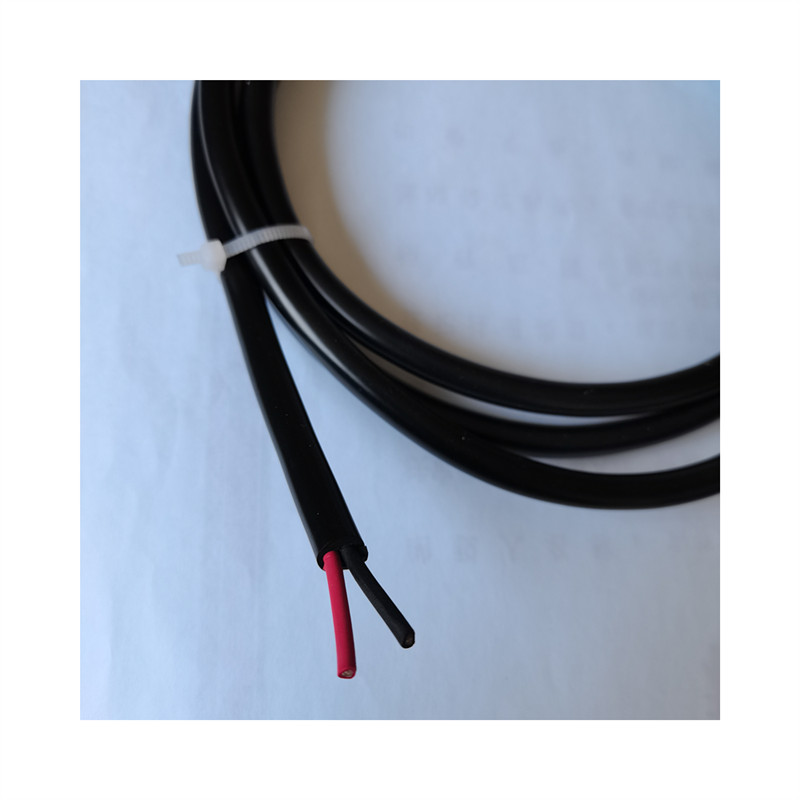
Highly Fluid Resistant Wire is a very high performance fluid blocking wire built to handle the high temperature fluid environments in engines and transmissions. It is a fluoroelastomer with impressive properties including great flexibility. it is extremely fluid resistant even at temperatures up to 230°C. It is safer in overload conditions, because it will not melt. it has a custom-engineered silicone blocked conductor to prevent moisture and other fluids to wick through the wiring cables.
Details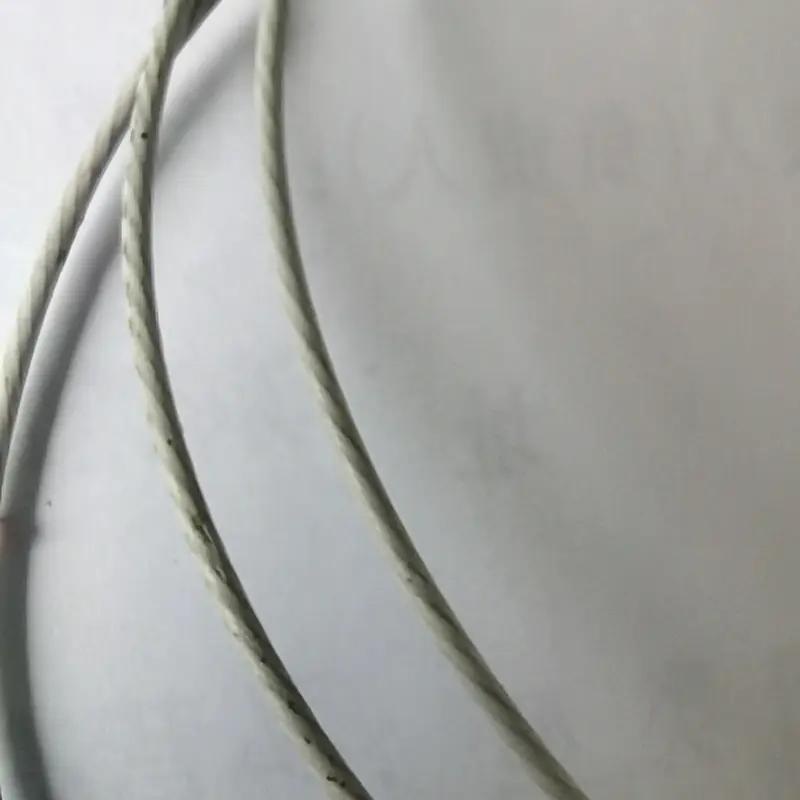
The Anti Capillary Wire Cable significantly enhances industrial safety by preventing fluids from traveling along the wire, which can cause short circuits or equipment malfunctions. In environments such as factories, oil rigs, and chemical plants, the cable ensures that any fluid exposure does not lead to potential electrical hazards. With its fluid-resistant properties, this cable protects the integrity of your systems, reduces the risk of downtime, and improves the overall safety of your operations.
Details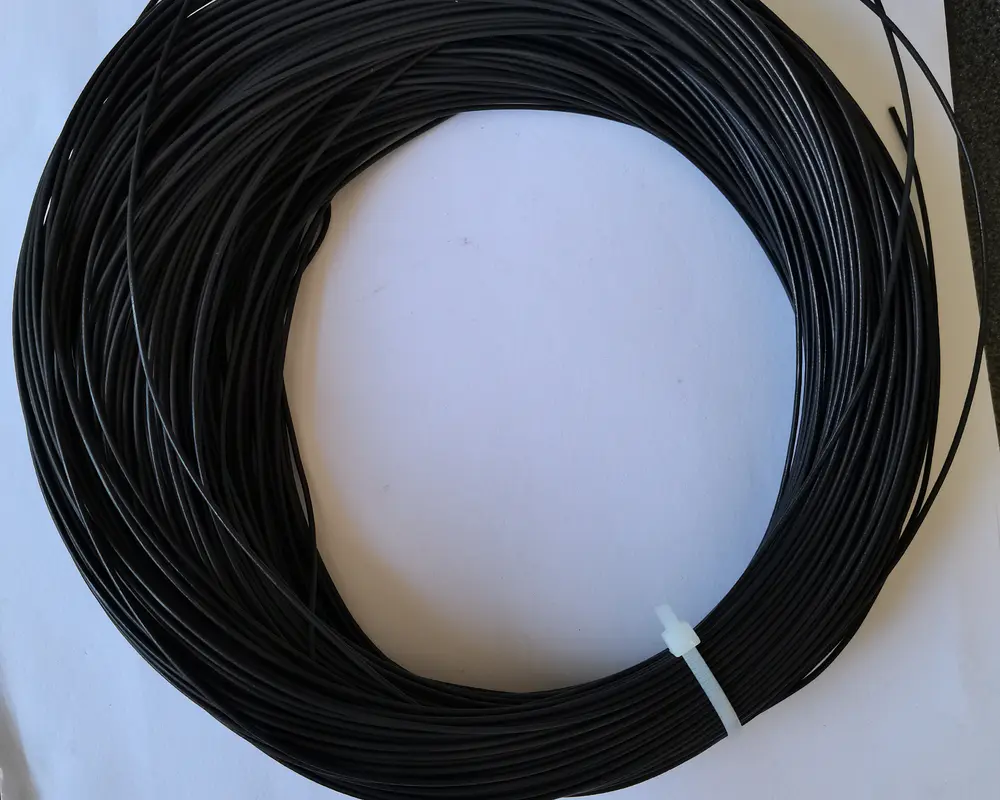
Fluid Blocking Engine/Transmission Wire is a high performance fluid blocking anti-cap wire built to handle the high temperature fluid environments in engines and transmissions.extremely fluid resistant even at temperatures up to 200°C. It is an excellent, cost effective replacement for TFE, FEP or Tefzel insulated wire,but it survives temperatures to 270°C and higher for short periods of time. It is safer in overload conditions.that will last longer than ever before, meeting 3,000 hour heat age tests. It has a life expectancy over 10,000 hours at 160°C and 20,000 hours at 150°C.CITCABLE is an anti-capillary automotive wire ideally suited in applications where heat protection, high temperature fluid resistance, fluid blocking, long life and less expensive wiring harness are required.
Details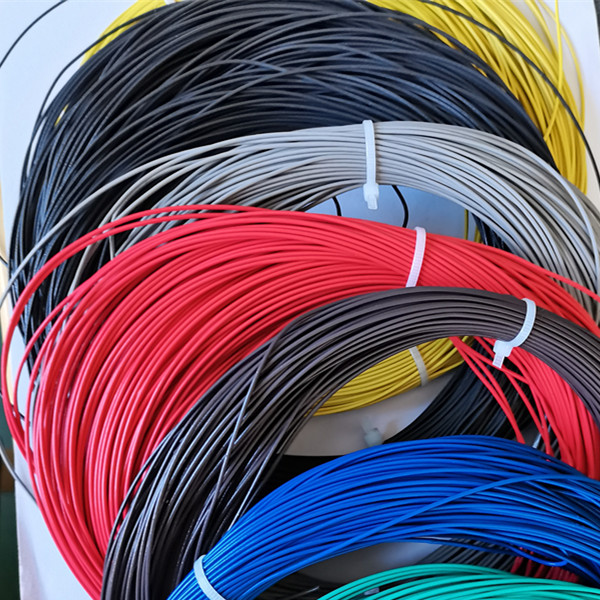
CITCABLE:200℃ Anti Capillary Wire Cable (FKM/VITON/XFLE/TEFLON) Anti Capillary Wire Cable is typically constructed using high-quality, fluid-resistant materials such as fluoropolymers, silicone, and other specialty compounds. These materials not only resist the capillary action of fluids but also provide durability, flexibility, and resistance to extreme temperatures. The combination of these materials ensures that the Anti-Capillary Wire Cable can perform reliably in harsh environments while offering long-lasting protection against fluid exposure. Fluid Compatibility 1. Engine Oil (ISO 1817. Oil No. 2)2. Engine Oil (IRM 902)3. Gasoline (Ref. Fuel C)4. Ethanol / Ref. Fuel C Mixture5. Diesel Fuel6. Battery Acid (Sp. Gr. ~ 1.26)7. Engine Coolant 50/508. E20 -40 °C to +200°C for Fluoroelastomer/ VITON/XLFE/FKM/VITON Application Greabox wiresFluid Resistant Transmission Wire200°C automatic transmission wireATF T6 wire Harness
Details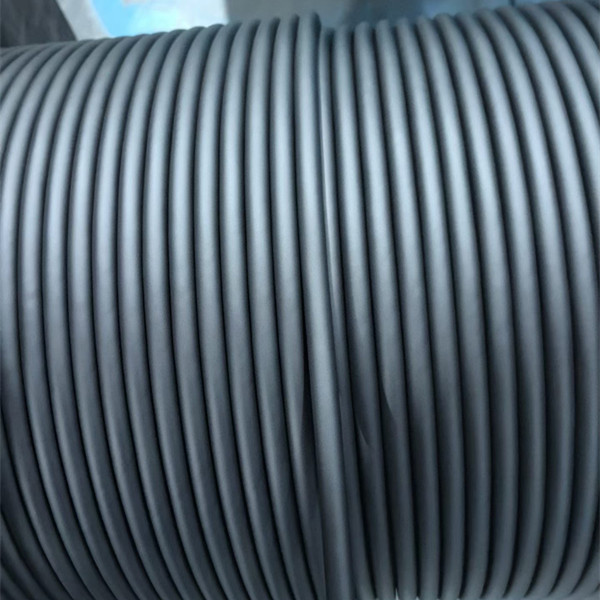
CITCABLE:200℃ Anti Capillary Wire Cable (FKM/VITON/XFLE/TEFLON,XLPE,RUBBER) Anti Capillary Wire Cable is typically constructed using high-quality, fluid-resistant materials such as fluoropolymers, silicone, and other specialty compounds. These materials not only resist the capillary action of fluids but also provide durability, flexibility, and resistance to extreme temperatures. The combination of these materials ensures that the Anti-Capillary Wire Cable can perform reliably in harsh environments while offering long-lasting protection against fluid exposure. Fluid Compatibility 1. Engine Oil (ISO 1817. Oil No. 2)2. Engine Oil (IRM 902)3. Gasoline (Ref. Fuel C)4. Ethanol / Ref. Fuel C Mixture5. Diesel Fuel6. Battery Acid (Sp. Gr. ~ 1.26)7. Engine Coolant 50/508. E20 -40 °C to +200°C for Fluoroelastomer/ VITON/XLFE/FKM/VITON Application Greabox wiresFluid Resistant Transmission Wire200°C automatic transmission wireATF T6 wire Harness
Details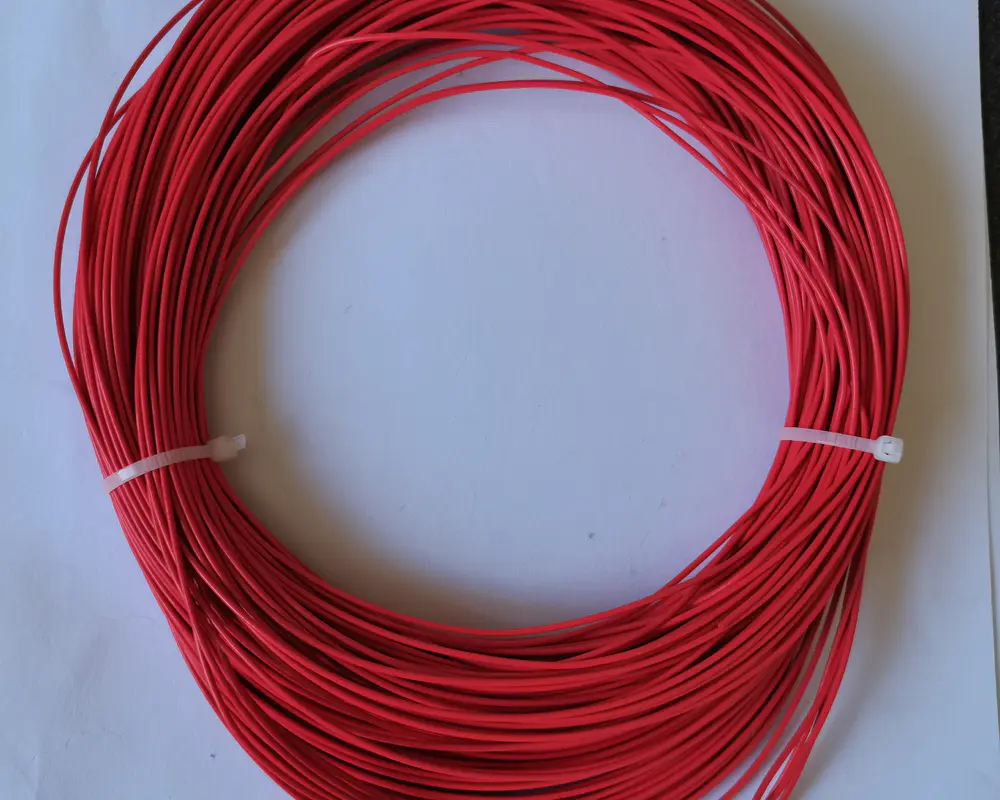
Gel water blocking involves the careful application of water-repelling gel to a cable’s shield to help stop the longitudinal migration of water. During the manufacturing process, the gel is carefully applied to fill-in gaps within the cables internal conductors. Once the final, outer jacket is applied, and having filled-in all internal gaps, the migration of water through the cable is less likely. CITCABLE recommends the use of gel water blocking technology as part of a comprehensive design including proper termination and selection of suitable connectors.
Details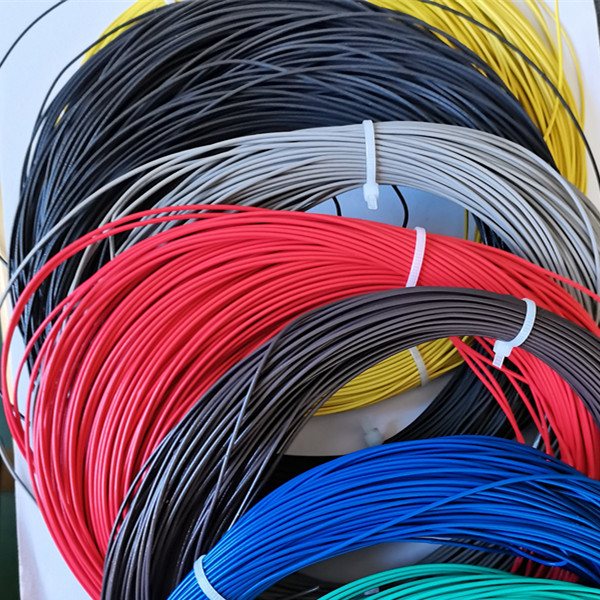
The Anti Capillary Wire Cable significantly enhances industrial safety by preventing fluids from traveling along the wire, which can cause short circuits or equipment malfunctions. In environments such as factories, oil rigs, and chemical plants, the cable ensures that any fluid exposure does not lead to potential electrical hazards. With its fluid-resistant properties, this cable protects the integrity of your systems, reduces the risk of downtime, and improves the overall safety of your operations.
Details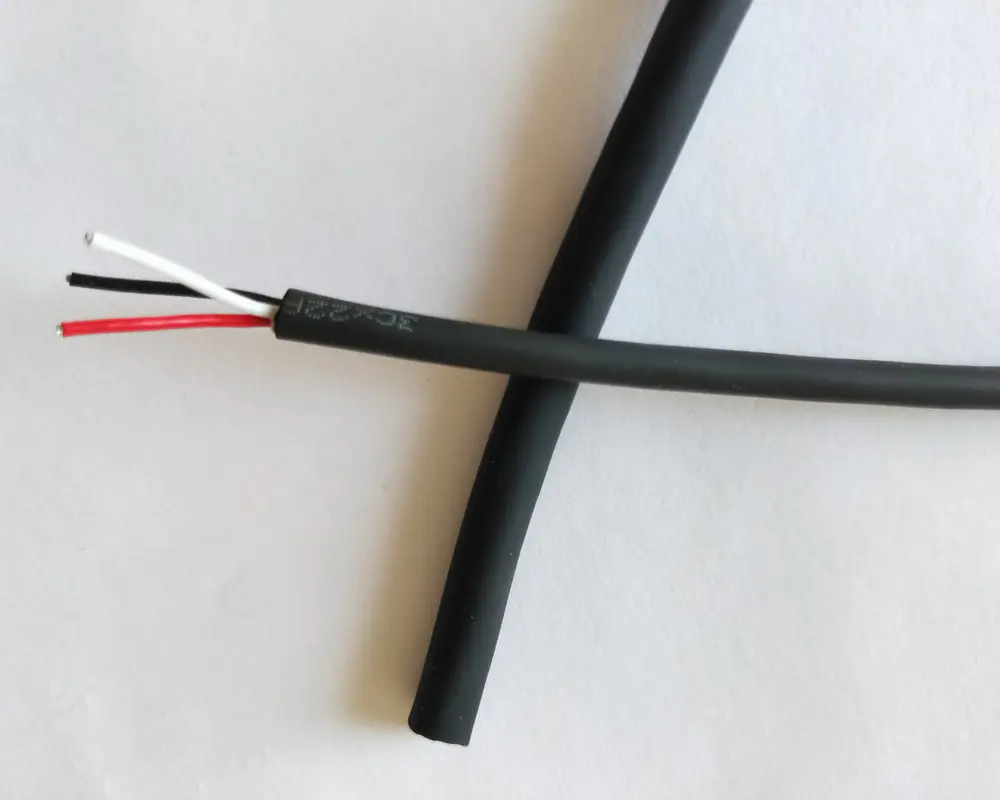
Highly Fluid Resistant Wire is a very high performance fluid blocking wire built to handle the high temperature fluid environments in engines and transmissions. It is a fluoroelastomer with impressive properties including great flexibility. it is extremely fluid resistant even at temperatures up to 230°C. It is safer in overload conditions, because it will not melt. it has a custom-engineered silicone blocked conductor to prevent moisture and other fluids to wick through the wiring system.
Details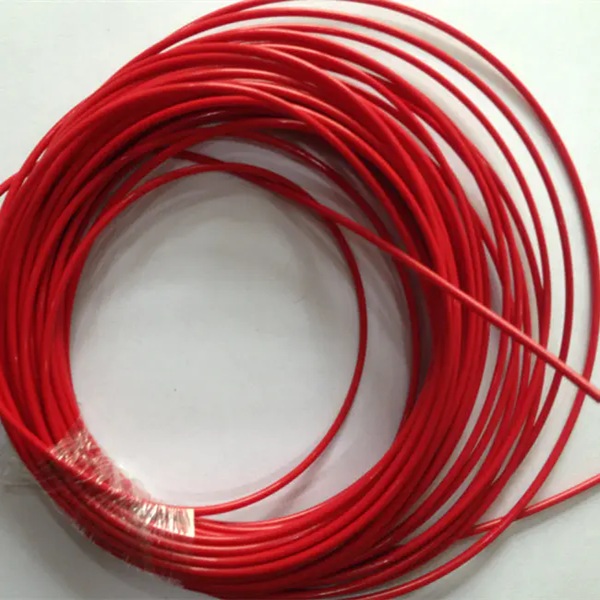
Fluid Blocking Engine/Transmission Wire is a high performance fluid blocking anti-cap wire built to handle the high temperature fluid environments in engines and transmissions.extremely fluid resistant even at temperatures up to 200°C.
Details3F, C Build, NO.10, MinChang Road, Nance, HuMen DongGuan City,GuangDong.China.
 IPv6 network supported