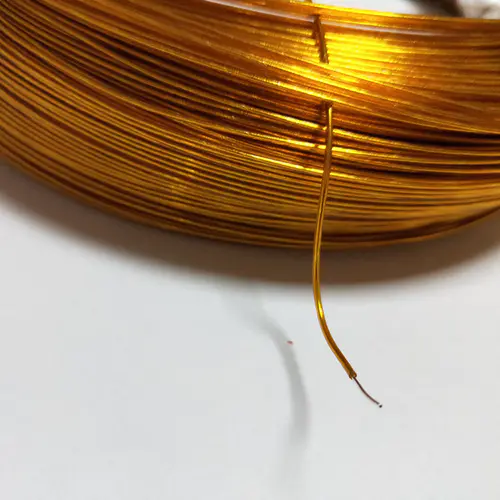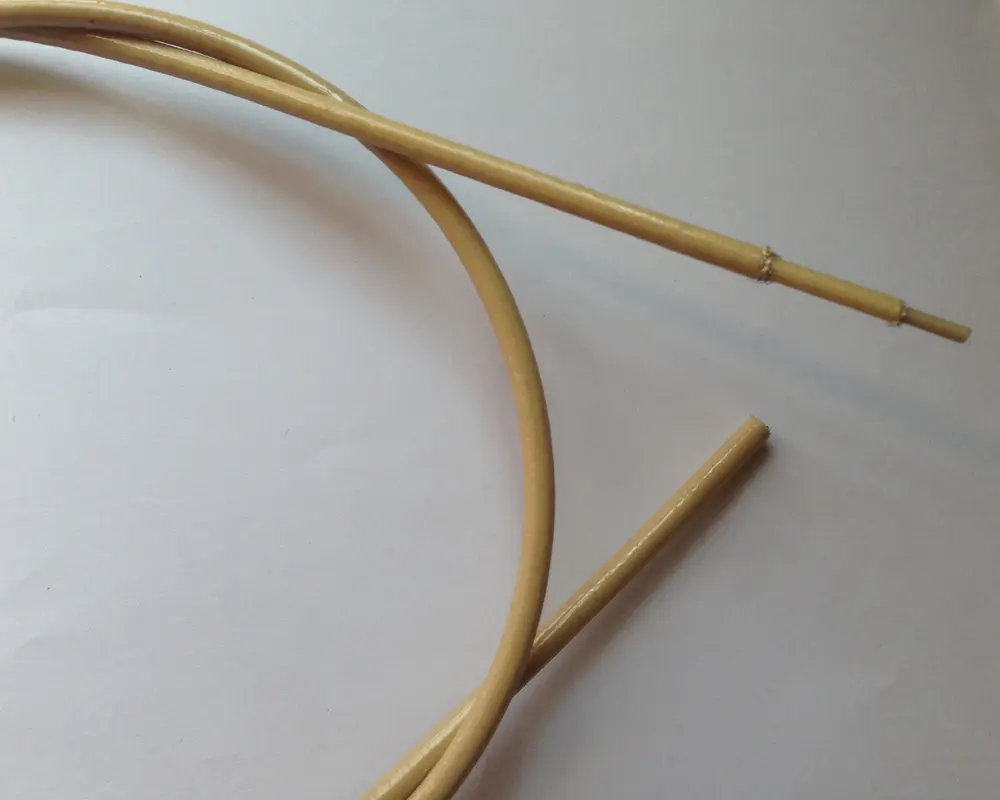
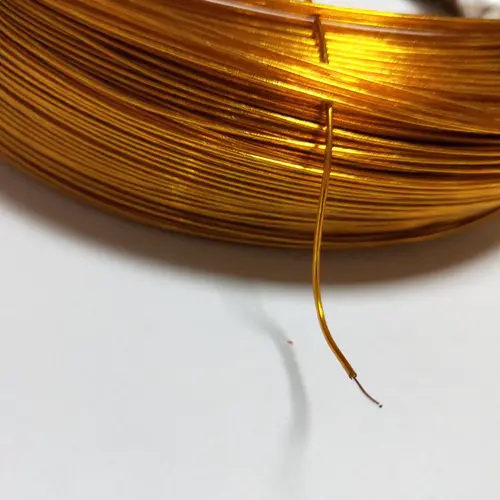
CITCABLE provides professional Kapton (Polyimide) wire cables. This series of high-performance wires primarily utilizes bare, tinned, silver-plated, or nickel-plated copper, pure silver, and specialized alloys as core conductors, which are then insulated with high-performance coatings such as specialized Polyimide (Kapton/PI).


These Kapton (Polyimide) Wire Cables are designed and manufactured by CITCABLE as a range of high-quality PI insulated wires, ideal for use in UHV (Ultra High Vacuum), aerospace, medical, and nuclear applications. The Kapton insulation not only provides outstanding electrical performance but also ensures exceptional thermal stability (-100 °C to +300 °C) and superior radiation resistance, making the cable highly reliable for the most demanding environments. Furthermore, these cables exhibit low outgassing, high mechanical strength, and excellent chemical resistance, ensuring consistent safety and operational excellence in harsh conditions.
The Kapton Wire Cable is designed with high-quality conductive cores and a specialized high-performance Polyimide (Kapton/PI) insulation. This construction helps maintain reliable electrical performance, ensures exceptional thermal and radiation resistance, and provides rugged durability to meet rigorous aerospace, medical, and UHV specifications.
| Layer | Material | Function |
|---|---|---|
| Conductor | Bare, Tinned, Silver-plated, or Nickel-plated Copper / Pure Silver / Alloy | Maintains highly reliable electrical performance and delicate signal transmission |
| Insulation Layer | Specialized high-performance Polyimide (Kapton/PI) | Provides extreme temperature resistance (-100°C to +300°C), high breakdown voltage, and very low outgassing for UHV |
| Surface / Outer Layer | Polyimide (PI) / TPI composite materials | Offers superior radiation resistance, excellent wear performance, and protection against harsh chemicals and engine fluids |
Without Kapton Insulation (Standard Cable)Standard materials → lower thermal/radiation resistance → potential failure in demanding environments Common Limitations:
|
With Kapton (Polyimide) InsulationExceptional thermal stability and radiation resistance Engineering Advantages:
|
| Operating temperature: | -100°C to +300°C |
| Voltage Rating: | 250V to 10000V (Depending on insulation thickness) |
| Temperature Rating: | Up to +300°C for Nickel-Plated Copper or Silver Conductors |
We provide customized anti-capillary wire cable solutions tailored to your specific application requirements, ensuring optimal performance for your machinery.
| Customization Item | Options |
|---|---|
| Conductor Size | 0.35mm² - 6.0mm² |
| Insulation Material | FKM / FEP / ETFE / XLPE / PVDF |
| Voltage Rating | Customized according to requirement |
| Color | Black, Red, Blue, or Custom colors |
| Cable Length | Customized packaging / cut to length |
With advanced cable extrusion equipment and strict quality control processes, we provide customized anti-capillary wire cable solutions for industrial OEM customers. Our capabilities include:
| Test Item | Purpose |
|---|---|
| Oil Resistance Test | Verify insulation durability under continuous fluid exposure |
| High Temperature Test | Check thermal stability and prevent melting/degradation |
| Voltage Withstand Test | Ensure electrical safety and prevent breakdown |
| Flexibility Test | Evaluate mechanical performance in dynamic applications |
| Fluid Migration Test | Verify the effectiveness of the anti-capillary structure |
A: These cables are highly specialized for demanding environments such as UHV (Ultra High Vacuum) systems, aerospace components, medical devices, and nuclear applications due to their exceptional thermal stability and superior radiation resistance.
A: The specialized Kapton insulation provides extreme temperature resistance (spanning from -100°C up to +300°C), excellent dielectric strength, and rugged durability against chemicals and radiation. This ensures the cable remains highly reliable even in the harshest industrial conditions.
A: Kapton (Polyimide) exhibits extremely low outgassing properties. This means it will not release volatile materials or gasses that could compromise the vacuum chamber's integrity, making it the preferred choice for delicate UHV scientific and aerospace applications.
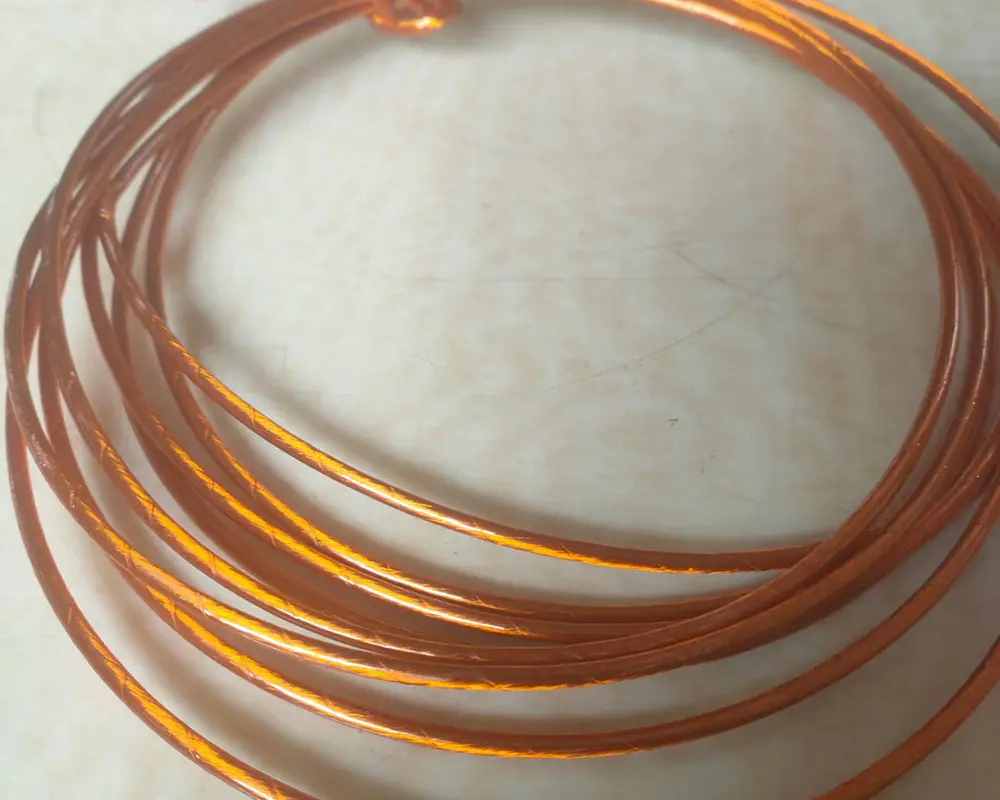
CITCables are designed for extremely low temperature environments and manufactured who can produce a broad range of extreme temperature Cryogenic Cables for use in the most challenging of environments. With clients from the Oil and Gas to the Steel and Nuclear industries, we are confident we have a cable to suit your requirements.
Details
CITCABLE: Thin-Wall Polyimide medical Wire We provideThin-Wall Polyimide/PI MEDICAL wire sensor cable products. If you are interested in high temperature MEDICAL sensor cable, please contact us and initiate a consultation for more information. Wire Specifications: · Material: Pure Silver, Nickel or Silver, Nickel plated copper with a purity of ≥ 99.99% · Diameter: 0.12mm ± 0.005 mm · Polyimide / Kapton Diameter: 0.142 mm ± 0.005 mm Coating Requirements: · Type: Polyimide / Kapton/PI · Solvent Residue: N-Methyl-2-Pyrrolidone (NMP) ≤ 0.1 wt% · Biocompatibility: USP Class VI · Cleanliness Requirements · Environment: Latex-free production
Details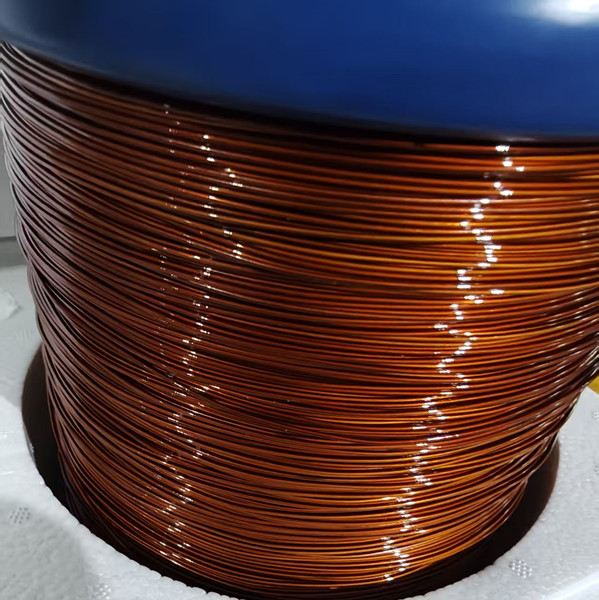
CITCABLE: 320 Degree Enameled Wire CIT cable outstanding and excellent abrasion resistance, dielectric strength, chemical resistance, thermal endurance in long. protects against corrosion. HTM is a group of high performing polymers known for their exceptional chemical, thermal, and mechanical performance properties. HTM generally demonstrate excellent thermal stability in high as well as low temperatures. HTM also exhibit broad chemical resistance and good dielectric properties. HTM are poor conductors of heat and are highly disinclined to burn; they are also radiation resistant. These properties and others have made HTM widely used in industries including medical, aerospace, automotive, electronics, chemical, sensors, and more High continuous operating temperature up to 400°C. Short time: 450°C Excellent abrasion resistance, flexural endurance. Improving the breakdown of local insulating paint enamelled in the process of voltage rise of motor in high frequency band. High conductivity, low impedance. Excellent softening breakdown resistance and heat shock resistance. Excellent dielectric properties and stable chemical properties. Chemical resistance (lubricating oil, impregnating paint, epoxy paint ). CITCABLE will custom manufacture this radiation resistant Enamelled wire for precise reuqiremnts of your project, 300℃ Enamelled Wire are custom ordered depending on the kind of conductor size such as heat wire,Alloy wire,S316, Aluminum alloy wire,tungsten wire, titanium wire so on and construction
Details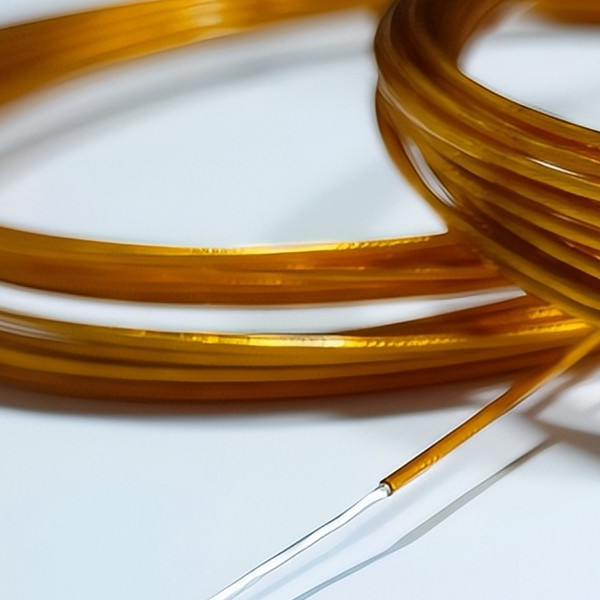
CITCABLE: High Temperature PEEK TPI PTX Cable CITCable extrudes all types of PEEK,PEI,TPI,PI,FEP,PFA,PTFE,ETFE,PVDF,Viton/FKM/FPM, SILICONE and Wrap PI,PTFE,others, CITCABLE can accommodate large power cables as well as miniature control cables. We provide fluid resistant atf oil and gas cable products. If you are interested in fluid resistant atf oil and gas cable, please contact us and initiate a consultation for more information. Features 1, Excellent mechanical properties and chemical resistance.2, Outstanding and Excellent resistance at high temperature to engine fluids3, High tear and tensile strength damping characteristic.4, Hot Oil Resistant Thin-Wall 150 ℃ , 200℃ 5, High performance PEEK,TPI,PEI,Teflon, Silicone,fluoropolymer /Viton/FKM /FPM outer, Jacket6, High Temperature, High Performance
Details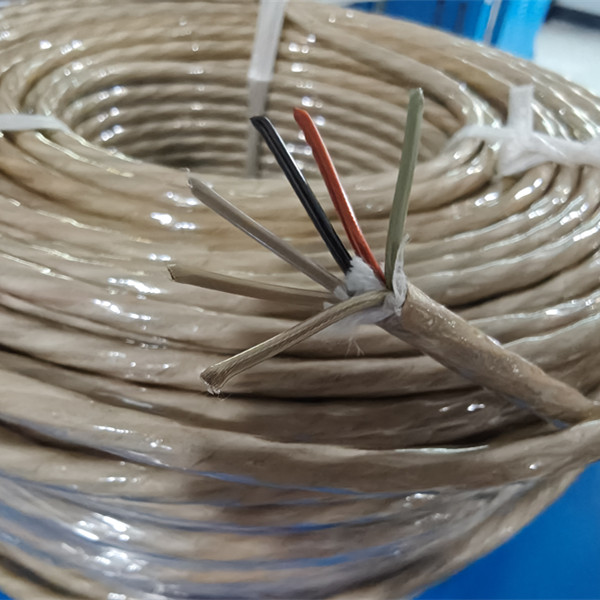
CITCABLE: High Temperature PEEK TPI,PI Cable CITCable extrudes all types of PEEK,PEI,TPI,PI,FEP,PFA,PTFE,ETFE,PVDF,Viton/FKM/FPM, SILICONE and Wrap PI,PTFE,others, CITCABLE can accommodate large power cables as well as miniature control cables. We provide fluid resistant atf oil and gas cable products. If you are interested in fluid resistant atf oil and gas cable, please contact us and initiate a consultation for more information. Features 1, Excellent mechanical properties and chemical resistance.2, Outstanding and Excellent resistance at high temperature to engine fluids3, High tear and tensile strength damping characteristic.4, Hot Oil Resistant Thin-Wall 150 ℃ , 200℃ 5, High performance PEEK,TPI,PEI,Teflon, Silicone,fluoropolymer /Viton/FKM /FPM outer, Jacket6, High Temperature, High Performance
Details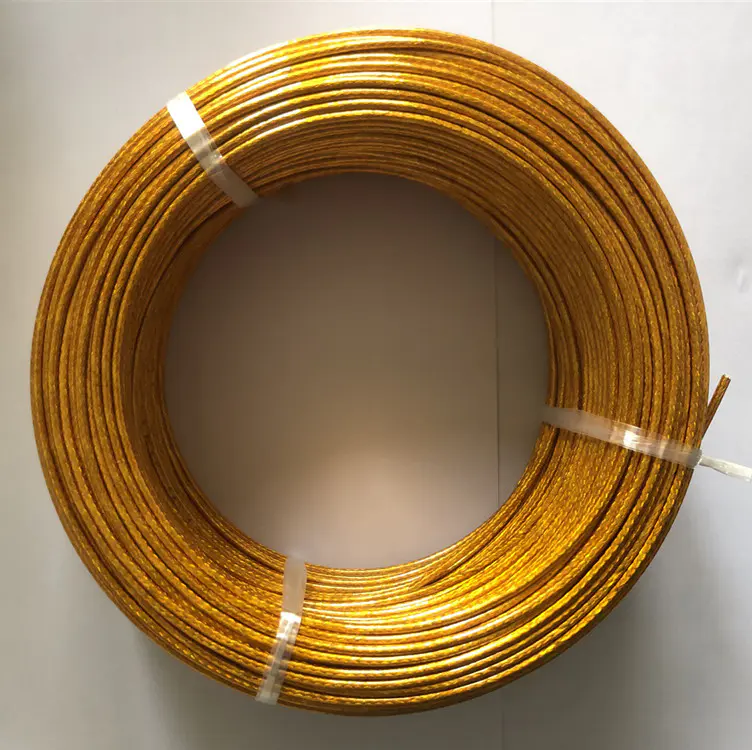
CITCABLE provides professional Kapton (Polyimide) wire cables. This series of high-performance wires primarily utilizes bare, tinned, silver-plated, or nickel-plated copper, pure silver, and specialized alloys as core conductors, which are then insulated with high-performance coatings such as specialized Polyimide (Kapton/PI).
Details
CITCABLE: High Temperature PEEK TPI TPX Cable CITCable extrudes all types of PEEK,PEI,TPI,PI,FEP,PFA,PTFE,ETFE,PVDF,Viton/FKM/FPM, SILICONE and Wrap PI,PTFE,others, CITCABLE can accommodate large power cables as well as miniature control cables. We provide fluid resistant atf oil and gas cable products. If you are interested in fluid resistant atf oil and gas cable, please contact us and initiate a consultation for more information. Features 1, Excellent mechanical properties and chemical resistance.2, Outstanding and Excellent resistance at high temperature to engine fluids3, High tear and tensile strength damping characteristic.4, Hot Oil Resistant Thin-Wall 150 ℃ , 200℃ 5, High performance PEEK,TPI,PEI,Teflon, Silicone,fluoropolymer /Viton/FKM /FPM outer, Jacket6, High Temperature, High Performance
Details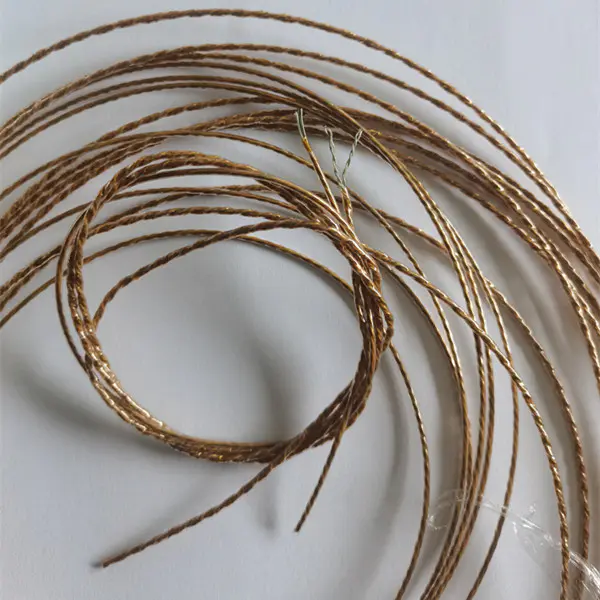
CITCABLE offers the original types and a wide range of new Kapton/PI Wire Types for use in UHV and High Vacuum.
Details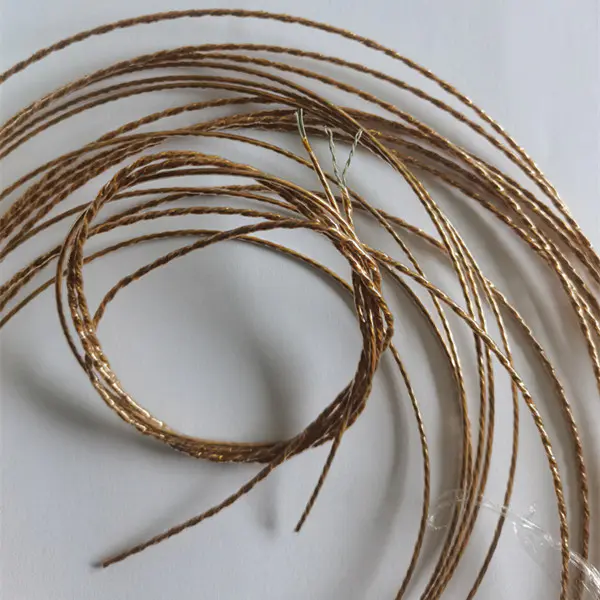
CITCABLE: Cryogenic wire cable Low temperature -196℃, -272℃CITCABLE offers the original types and a wide range of new TPI Wire Types for use in Cryogenic engineering.
Details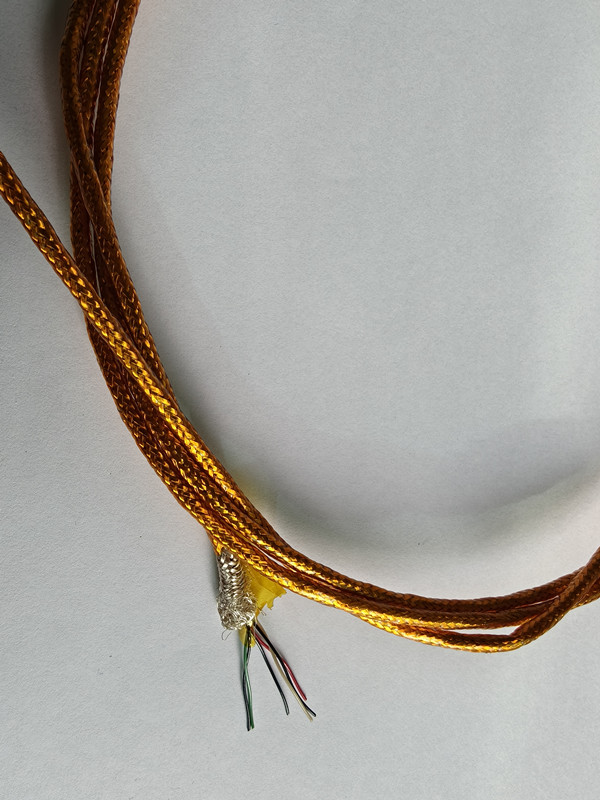
CITCABLE provides professional provides various coaxial cables for high-frequency signals: ultra-miniature coaxial cables and semi-rigid coaxial with a stainless steel/ center conductor. We also offer the robust CryoCable, This series of high-performance wires primarily utilizes bare, tinned, silver-plated, or nickel-plated copper, pure silver, and specialized alloys as core conductors, which are then insulated with high-performance coatings such as specialized Polyimide (Kapton/PI/PEEK/PTFE/PFA/FEP). Ultra-miniature coaxial cable is used when a strong and flexible cable is needed. Type stranded copper alloy is recommended when low conductor resistance is a prime consideration. Type stranded copper alloy and type stranded 304/316L stainless steel ,phosphor bronze,titanium conductors、 are mechanically the most flexible due to their braided construction. Type Copper Alloy is recommended for use when both shielding and low thermal losses are important. See the technical specifications for the COPPER, S316L 304L , and phosphor bronze titanium types. Cables classified as cryogenic are designed for use with cryogenic accelerometers in applications down to -269 deg C, -196 deg C). FOR ITER, EAST LHC ,UHV(TML, 0.8%, CVCM 0.1% )
Details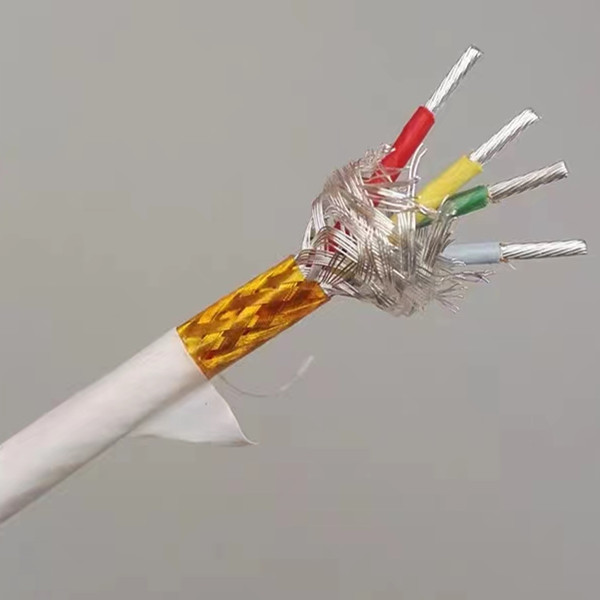
CITCABLE provides professional provides various Cryogenic NbTi cables for high-frequency signals: ultra-miniature coaxial cables and Cryogenic NbTi coaxial with a stainless steel. We also offer the robust Cryogenic NbTi Cable, 32AWG* 4-wire cable for use in cryogenic environments to room temperature This series of high-performance wires primarily utilizes bare, tinned, silver-plated, or nickel-plated copper, pure silver, and specialized alloys as core conductors, which are then insulated with high-performance coatings such as specialized Polyimide (Kapton/PI/PEEK/PTFE/PFA/FEP). Ultra-miniature coaxial cable is used when a strong and flexible cable is needed. Type stranded NbTi alloy is recommended when low conductor resistance is a prime consideration. Type stranded NbTi alloy and type stranded 304/316L stainless steel ,phosphor bronze,titanium conductors、 are mechanically the most flexible due to their braided construction. Type Copper Alloy is recommended for use when both shielding and low thermal losses are important. See the technical specifications for the COPPER, S316L 304L , and phosphor bronze titanium types. Cables classified as cryogenic are designed for use with cryogenic accelerometers in applications down to -269 deg C, -196 deg C). FOR ITER, EAST LHC ,UHV(TML, 0.8%, CVCM 0.1% )
Details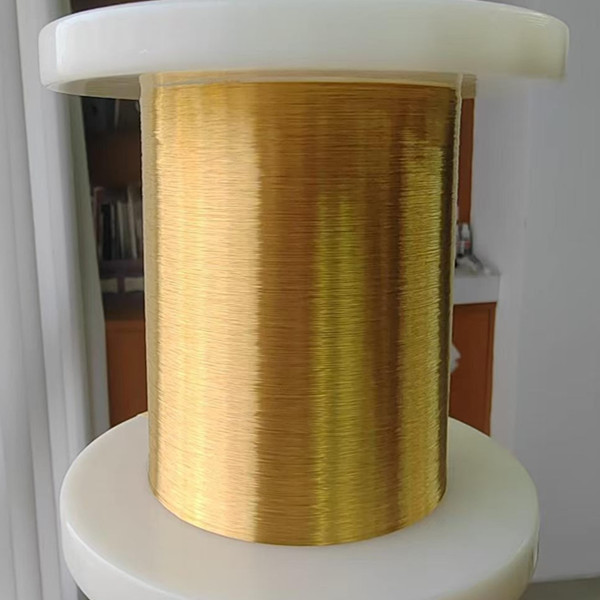
CITCABLE provides professional provides various Ultra-low Super conductivity NbTi cables for superconducting cables, super low temperature coaxial cables for various applications, millimeterwave dielectric material waveguides This series of high-performance wires primarily utilizes bare, tinned, silver-plated, or nickel-plated copper, pure silver, and specialized alloys as core conductors, which are then insulated with high-performance coatings such as specialized Polyimide (Kapton/TPI/PEEK/PTFE/PFA/FEP). Ultra-miniature coaxial cable is used when a strong and flexible cable is needed. Type NbTi alloy is recommended when low conductor resistance is a prime consideration. Type stranded NbTi alloy and type stranded 304/316L stainless steel ,phosphor bronze,titanium conductors、 are mechanically the most flexible due to their braided construction. Type Copper Alloy is recommended for use when both shielding and low thermal losses are important. See the technical specifications for the COPPER, S316L 304L , and phosphor bronze titanium NbTi types. Cables classified as cryogenic are designed for use with cryogenic accelerometers in applications down to -273 deg C, -196 deg C). FOR ITER, EAST LHC ,UHV(TML, 0.8%, CVCM 0.1% ) Superconducting coaxial cable for cryogenic and strong electromagnetic field, recognized by research institutions all over the world. Highly effective at thermal gradient below 4K. • Very low thermal conductivity; 1/3000 of copper(Cu), 1/300 of niobium(Nb). • Highly durable in strong electromagnetic field of up to 11T(tesla). • NbTi(Nb:50%)=3×10⁻⁴ [W/cm]
Details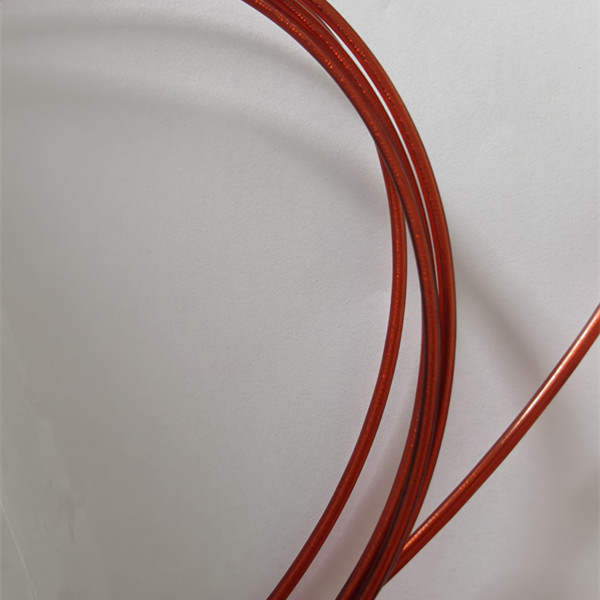
CITCABLE: High Temperature Radiation Resistant Wires and Cables CITCable extrudes all types of PEEK,PEI,TPI,PI,FEP,PFA,PTFE,ETFE,PVDF,Viton/FKM/FPM, SILICONE and Wrap PI,PTFE,others, CITCABLE can accommodate large power cables as well as miniature control cables. We provide fluid resistant atf oil and gas cable products. If you are interested in fluid resistant atf oil and gas cable, please contact us and initiate a consultation for more information. Features 1, Excellent mechanical properties and chemical resistance.2, Outstanding and Excellent resistance at high temperature to engine fluids3, High tear and tensile strength damping characteristic.4, Hot Oil Resistant Thin-Wall 150 ℃ , 200℃ 5, High performance PEEK,TPI,PEI,Teflon, Silicone,fluoropolymer /Viton/FKM /FPM outer, Jacket6, High Temperature, High Performance
Details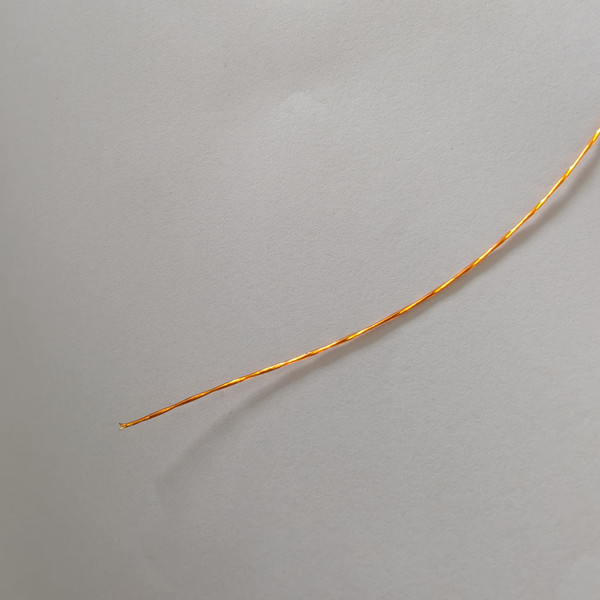
CITCABLE: High Temperature Polyimide Cable CITCable extrudes all types of PEEK,PEI,Polyimide ,TPI,PI,FEP,PFA,PTFE,ETFE,PVDF,Viton/FKM/FPM, SILICONE and Wrap PI,PTFE,others, CITCABLE can accommodate large power cables as well as miniature control cables. Radiation resistance combined with high or low temperatures, extreme mechanical stress, and miniaturisation, in standard or inert atmosphere。 We provide fluid resistant atf oil and gas cable products. If you are interested in fluid resistant atf oil and gas cable, please contact us and initiate a consultation for more information. Features 1, Excellent mechanical properties and chemical resistance.2, Outstanding and Excellent resistance at high temperature to engine fluids3, High tear and tensile strength damping characteristic.4, Hot Oil Resistant Thin-Wall 150 ℃ , 200℃ 5, High performance PEEK,TPI,PEI,Teflon, Silicone,fluoropolymer /Viton/FKM /FPM outer, Jacket6, High Temperature, High Performance
Details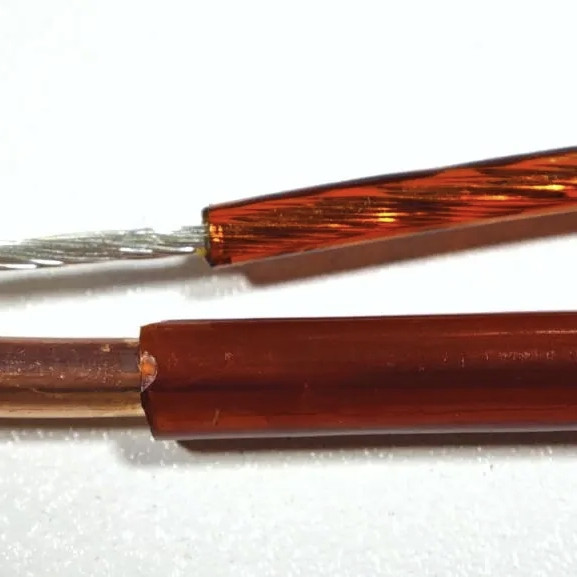
CITCABLE: Customised Polyimide (Kapton) Coaxial Cable CITCable extrudes all types of PEEK,PEI, Polyimide ,TPI,PI,FEP,PFA,PTFE,ETFE,PVDF,Viton/FKM/FPM, SILICONE and Wrap PI,PTFE,others, CITCABLE can accommodate large power cables as well as miniature control cables. Radiation resistance combined with high or low temperatures, extreme mechanical stress, and miniaturisation, in standard or inert atmosphere。 We provide fluid resistant atf oil and gas cable products. If you are interested in fluid resistant atf oil and gas cable, please contact us and initiate a consultation for more information. Features 1, Excellent mechanical properties and chemical resistance.2, Outstanding and Excellent resistance at high temperature to engine fluids3, High tear and tensile strength damping characteristic.4, Hot Oil Resistant Thin-Wall 150 ℃ , 200℃ 5, High performance PEEK,TPI,PEI,Teflon, Silicone,fluoropolymer /Viton/FKM /FPM outer, Jacket6, High Temperature, High Performance
Details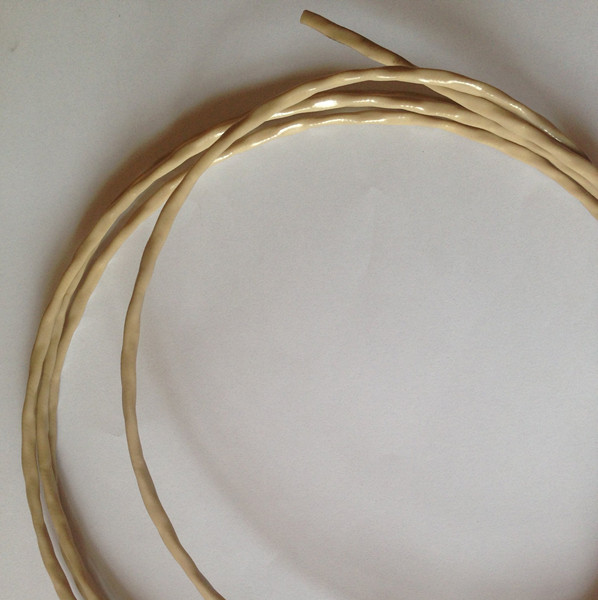
CITCABLE: Multi-core PEEK Cable 12 core AND 16 core 22AWG CITCable extrudes all types of PEEK,PEI,TPI,PI,FEP,PFA,PTFE,ETFE,PVDF,Viton/FKM/FPM, SILICONE and Wrap PI,PTFE,others, CITCABLE can accommodate large power cables as well as miniature control cables. We provide fluid resistant atf oil and gas cable products. If you are interested in fluid resistant atf oil and gas cable, please contact us and initiate a consultation for more information. Features 1, Excellent mechanical properties and chemical resistance.2, Outstanding and Excellent resistance at high temperature to engine fluids3, High tear and tensile strength damping characteristic.4, Hot Oil Resistant Thin-Wall 150 ℃ , 200℃ 5, High performance PEEK,TPI,PEI,Teflon, Silicone,fluoropolymer /Viton/FKM /FPM outer, Jacket6, High Temperature, High Performance
Details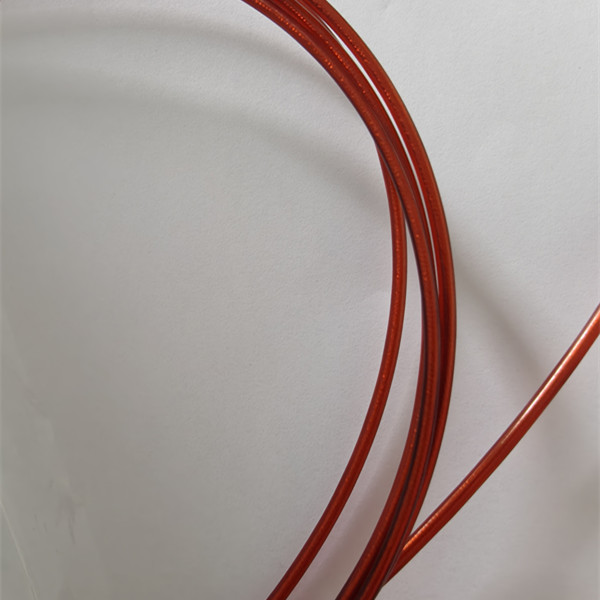
CITCABLE provides professional Kapton (Polyimide) wire cables.20AWG Kapton/TPI Cable 30KV , This series of high-performance wires primarily utilizes bare, tinned, silver-plated, or nickel-plated copper, pure silver, and specialized alloys as core conductors, which are then insulated with high-performance coatings such as specialized Polyimide (Kapton/PI). CITCable extrudes all types of PEEK,PEI, Polyimide ,TPI,PI,FEP,PFA,PTFE,ETFE,PVDF,Viton/FKM/FPM, SILICONE and Wrap PI,PTFE,others, CITCABLE can accommodate large power cables as well as miniature control cables. Radiation resistance combined with high or low temperatures, extreme mechanical stress, and miniaturisation, in standard or inert atmosphere。 We provide fluid resistant atf oil and gas cable products. If you are interested in fluid resistant atf oil and gas cable, please contact us and initiate a consultation for more information. Features 1, Excellent mechanical properties and chemical resistance.2, Outstanding and Excellent resistance at high temperature to engine fluids3, High tear and tensile strength damping characteristic.4, Hot Oil Resistant Thin-Wall 200 ℃ , 240℃ 5, High performance PEEK,TPI,PEI,Teflon, Silicone,fluoropolymer /Viton/FKM /FPM outer, Jacket6, High Temperature, High Performance
Details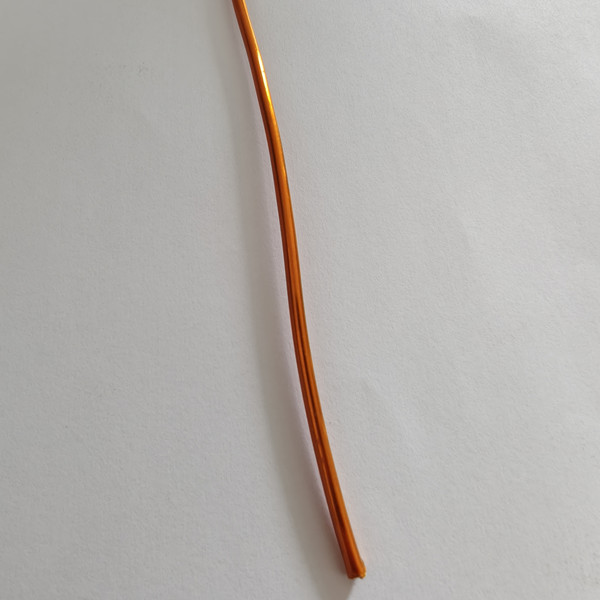
CITCABLE: Customised Polyimide Soaid 2.3mm Copper Cable CITCable extrudes all types of PEEK,PEI, Polyimide ,TPI,PI,FEP,PFA,PTFE,ETFE,PVDF,Viton/FKM/FPM, SILICONE and Wrap PI,PTFE,others, CITCABLE can accommodate large power cables as well as miniature control cables. Radiation resistance combined with high or low temperatures, extreme mechanical stress, and miniaturisation, in standard or inert atmosphere。 We provide fluid resistant atf oil and gas cable products. If you are interested in fluid resistant atf oil and gas cable, please contact us and initiate a consultation for more information. Features 1, Excellent mechanical properties and chemical resistance.2, Outstanding and Excellent resistance at high temperature to engine fluids3, High tear and tensile strength damping characteristic.4, Hot Oil Resistant Thin-Wall , 240℃ 5, High performance PEEK,TPI,PEI,Teflon, Silicone,fluoropolymer /Viton/FKM /FPM outer, Jacket6, High Temperature, High Performance
Details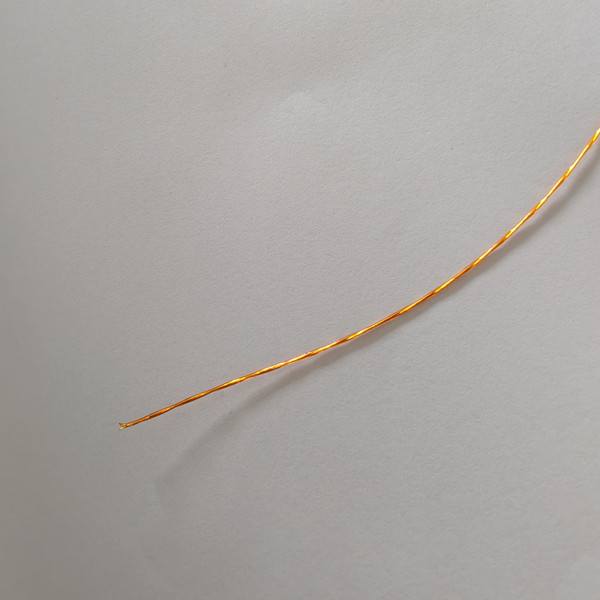
CITCABLE: 36awg 2c tpi/Polyimide cable CITCable extrudes all types of PEEK,PEI, Polyimide ,TPI,PI,FEP,PFA,PTFE,ETFE,PVDF,Viton/FKM/FPM, SILICONE and Wrap PI,PTFE,others, CITCABLE can accommodate large power cables as well as miniature control cables. Radiation resistance combined with high or low temperatures, extreme mechanical stress, and miniaturisation, in standard or inert atmosphere。 We provide fluid resistant atf oil and gas cable products. If you are interested in fluid resistant atf oil and gas cable, please contact us and initiate a consultation for more information. Features 1, Excellent mechanical properties and chemical resistance.2, Outstanding and Excellent resistance at high temperature to engine fluids3, High tear and tensile strength damping characteristic.4, Hot Oil Resistant Thin-Wall , 240℃ 5, High performance PEEK,TPI,PEI,Teflon, Silicone,fluoropolymer /Viton/FKM /FPM outer, Jacket6, High Temperature, High Performance
Details3F, C Build, NO.10, MinChang Road, Nance, HuMen DongGuan City,GuangDong.China.
 IPv6 network supported